
full length wall mirror with lights
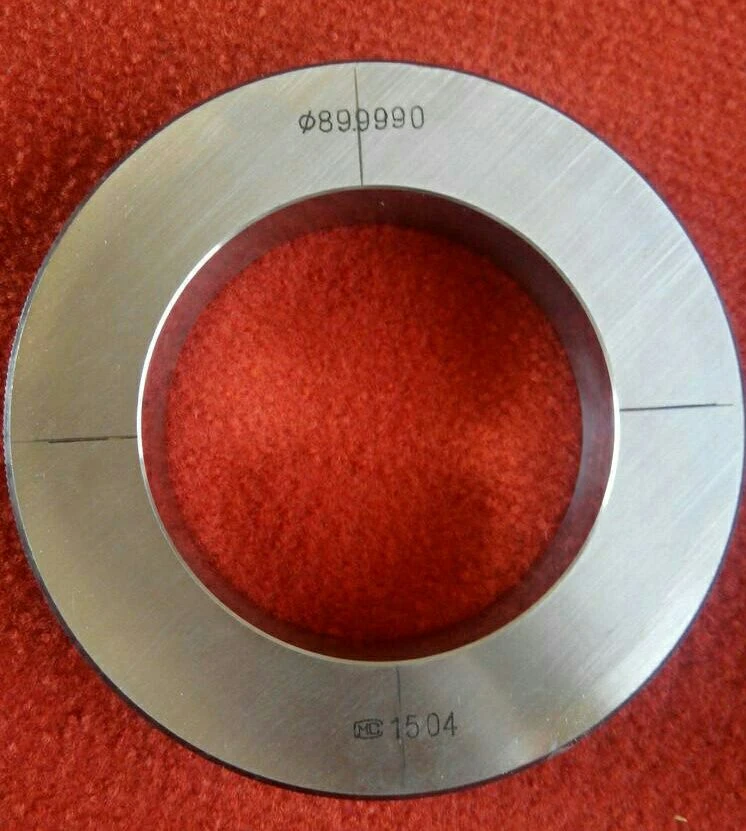
Understanding Thread Ring Gage Sets A Comprehensive Overview In the world of manufacturing and engineering, precision is paramount. One of the critical tools used to ensure that threads meet specific standards and tolerances is the thread ring gage set. These gages play an essential role in the quality control process, particularly in industries that require threaded components, such as automotive, aerospace, and machinery manufacturing. A thread ring gage set consists of a series of gages that are designed to check the dimensions and tolerances of external threads on rods or bolts. The primary purpose of these gages is to ensure that the threads of a manufactured part will fit correctly with the corresponding threaded component, such as a nut or female fitting. The set typically includes a range of gages, including go gages and no-go gages, allowing for comprehensive inspection. Components of a Thread Ring Gage Set 1. Go Gage This gage is used to determine whether the threads are cut to the proper pitch and diameter. If the go gage fits onto the threaded part, it indicates that the thread is within the acceptable tolerance limit. 2. No-Go Gage In contrast, the no-go gage is used to confirm that the threads are not overly large. If the no-go gage does not fit onto the threaded part, it signifies that the thread is acceptable and has not exceeded the upper limits of tolerance. thread ring gage set 3. Calibration and Standards Thread ring gages are manufactured according to specific standards, such as those set by the American National Standards Institute (ANSI) or the International Organization for Standardization (ISO). This ensures uniformity and compatibility across different manufacturing processes and industries. Benefits of Using Thread Ring Gage Sets The application of thread ring gage sets brings several advantages. Firstly, they enhance the accuracy of thread manufacturing, reducing the risk of defective threads that could lead to assembly issues or mechanical failures. Secondly, these gages provide a simple and efficient means of verifying that threaded components meet required specifications, thereby streamlining the quality control process. Moreover, using standardized gages helps maintain consistency across different production runs. Conclusion In summary, thread ring gage sets are indispensable tools in ensuring the quality and precision of threaded components in various industries. By employing go and no-go gages, manufacturers can adequately assess thread quality and maintain compliance with established standards. As technologies evolve, the importance of precise measurements in manufacturing will only grow, making thread ring gages a vital asset in the quest for high-quality production. Therefore, investing in a reliable thread ring gage set will not only enhance quality control but also foster confidence in the durability and functionality of the finished products.
about
full length wall mirror with lights
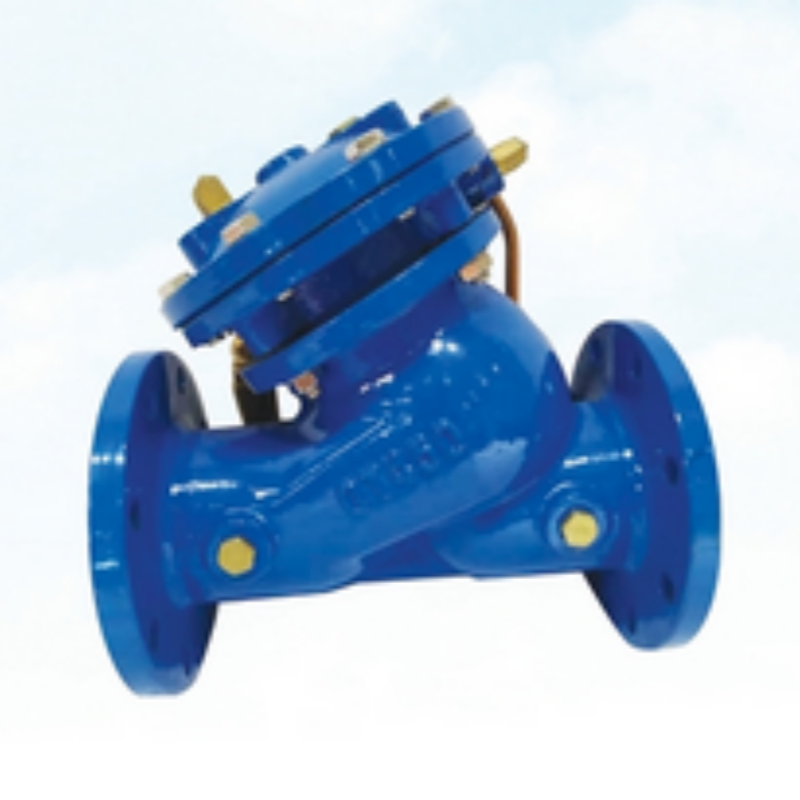
Replacing a Water Valve A Step-by-Step Guide Replacing a water valve can be a straightforward task if approached with the right tools and knowledge. Water valves are essential components of your plumbing system, controlling water flow to various fixtures such as sinks, toilets, and washing machines. Whether you’ve encountered a leak, need to upgrade to a more efficient valve, or are preparing for renovations, knowing how to replace a water valve is an invaluable skill for homeowners. Tools and Materials Required Before you begin, ensure you have the necessary tools and materials 1. Tools - Adjustable wrench - Pipe wrench - Screwdriver - Utility knife - Plumber's tape - Bucket - Towels or rags 2. Materials - New water valve (ensure it's the correct size and type) - Replacement washers (if applicable) - Pipe joint compound (optional) Step 1 Turn Off the Water Supply The first and most crucial step is to turn off the water supply to the valve you are replacing. Locate the main shut-off valve for your home and turn it off. If you’re replacing a specific fixture valve, look for the local shut-off valve beneath the sink or behind the toilet. Open a nearby faucet to allow any remaining water in the pipes to drain, minimizing spills during the replacement. Step 2 Drain and Remove the Old Valve replacing water valve Place a bucket under the valve to catch any residual water. Using the adjustable wrench, loosen the nuts securing the old valve to the pipes. If the valve has been in place for a long time, it may require extra force. Gently twist and pull to remove it once the nuts are loosened. If you encounter stubborn connections, avoid excessive force that could damage the pipes. Step 3 Prepare for Installation Before installing the new valve, inspect the pipe ends for any damage or wear. Use a utility knife to clean any rough edges. If you’re working with threaded pipes, wrap plumber's tape around the threads of the pipe to ensure a tight seal when you install the new valve. Step 4 Install the New Valve Position the new valve in place and hand-tighten the nuts. Use the adjustable wrench for a snug fit, but avoid overtightening, as this can damage the valve or pipes. Ensure it's installed in the correct direction, with the flow arrow on the valve indicating the direction of water flow. Step 5 Restore Water Supply and Check for Leaks After securing the new valve, turn the main water supply back on. Close any faucets you opened earlier and check for leaks around the new installation. If you notice any dripping, tighten the connections slightly until the leaks stop. Conclusion Replacing a water valve can be completed in a few simple steps and can save you from potential plumbing disasters in the future. Regular maintenance and timely replacements are key to a healthy plumbing system. Remember to follow local codes and consult professionals when in doubt. With practice, you can become adept at tackling similar home repair tasks, ensuring the longevity and efficiency of your plumbing system.
-

High quality industrial productsagement

High quality industrial products
View Details -

Meet the diverse needs of customers

Meet the diverse needs of customers
View Details -

Strict quality control

Strict quality control
View Details -

Top raw materials

Top raw materials
View Details -

Trusted supplier

Trusted supplier
View Details

 English